







Search Results for: tasting methods
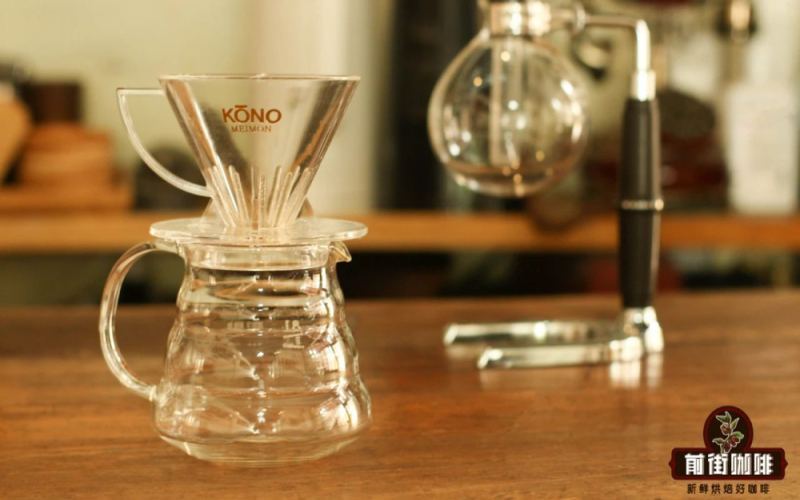
What exactly is drip coffee? A comprehensive analysis of drip coffee's characteristics, extraction methods, and brewing key points
In the world of coffee, brewing methods are incredibly diverse—instant, pour-over, and cold brew each have their own followers, and different methods deliver vastly different flavor experiences. Among the many extraction methods, drip coffee is the most common and easiest to master, and pour-over coffee is the most representative member of the drip family. This article will systematically outline the definition of drip coffee, its differences from and connections to pour-over coffee, and further introduce common extraction methods such as espresso, immersion, and decoction, while comparing the taste characteristics and suitable scenarios of different brewing methods to help coffee lovers find the cup that suits them best. [more…]

How to Identify Coffee Bean Processing Methods: A Practical Guide to Silver Skin Observation and Flavor Tasting
Many coffee enthusiasts can quickly determine a coffee bean's origin, variety, and processing method through observation and tasting. This is not an innate talent, but rather the mastery of certain practical techniques. Front Street Coffee has previously shared methods for identifying varieties with everyone, and this time will focus on how to distinguish coffee bean processing methods. The article unfolds from two angles: first, observing the amount of remaining silver skin, and second, distinguishing the flavor differences brought by different processing methods through tasting. Whether you are a coffee novice just starting out or an enthusiast hoping to further improve your tasting skills, these methods can help you more accurately understand the characteristics of processing methods such as natural, washed, and honey, so that you can make wiser choices when purchasing and brewing. [more…]
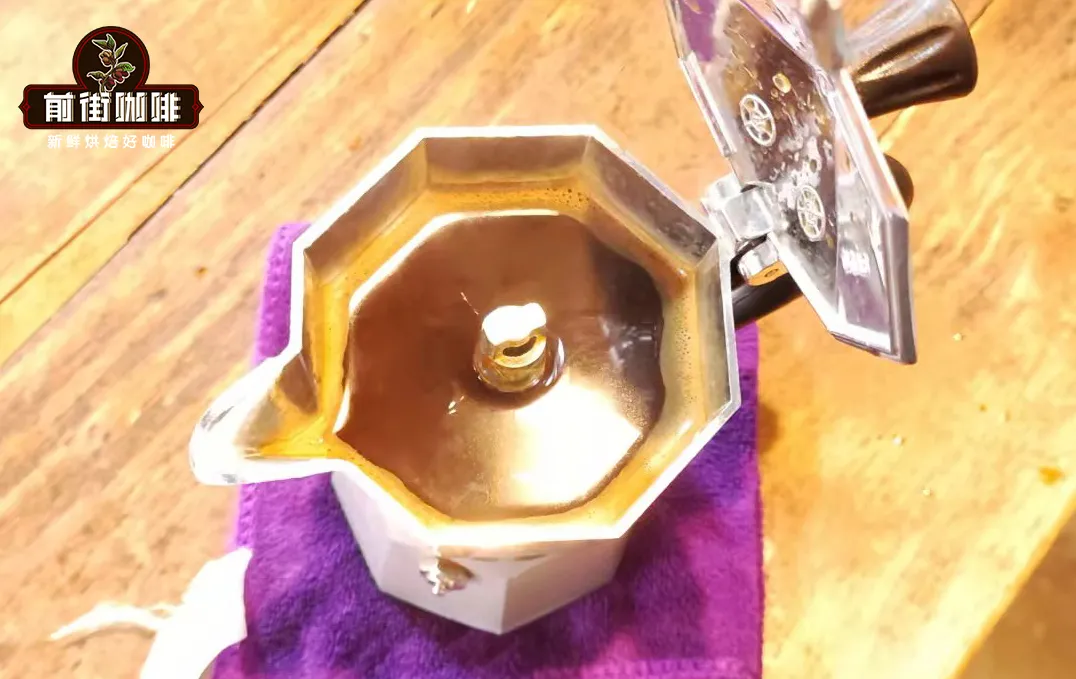
Types of Black Coffee Brewing Methods | What Are the Extraction Principles of Pour-Over and Espresso? How Do Drip Coffee, Immersion Coffee, and Boiled Coffee Differ?
There are quite a few types of coffee. Some people like instant coffee, some like pour-over, and others like cold brew. Coffee made with different methods has its own characteristics—some has a layered mouthfeel with distinct flavors, while some is convenient to brew. You can choose according to your own preferences. Pour-over [more…]

What's the difference between natural and washed coffee? A guide from processing steps to flavor characteristics to help you quickly identify coffee bean processing methods
Coffee beans from the same origin can present completely different flavor profiles simply because of different processing methods. Natural and washed, as the two most classic processing methods, each give coffee beans a unique imprint of character. Starting from real tasting scenarios at Front Street stores, this article introduces the complete processes of the two processing methods, and uses Ethiopia Yirgacheffe Natural Red Cherry and Washed Kochere as comparative samples to experience the flavor differences under the same brewing parameters, thereby understanding the principles behind the differences. Once you master this method, you will also be able to quickly identify a bean's processing method the next time a cup of coffee touches your lips, truly advancing to become a coffee tasting expert. [more…]
How can you tell the processing method from a single sip of coffee? Flavor differences between natural and washed coffees and key points for pour-over tasting
In coffee tasting, accurately identifying the processing method is an advanced skill. Starting from the daily demos at Front Street stores, this article breaks down the core differences between the two classic processing methods—natural and washed—and recommends two representative beans from Ethiopia's Yirgacheffe region: Natural Red Cherry and Washed Kochere. Through comparative tasting, readers can capture the flavor characteristics brought by different processing methods and gradually develop the ability to tell them apart in a single sip. [more…]

The Slurping Technique in Coffee Tasting: Principles, Procedure, and Everyday Drinking Tips
In the world of coffee tasting, there is a unique drinking method known as "slurping," in which coffee is quickly drawn into the mouth to atomize it, thereby maximizing the release of volatile aromatic compounds and allowing the taste buds and olfactory nerves to capture coffee flavors more fully. Front Street Coffee has touched on this method when sharing knowledge about coffee flavors. This article will explain in detail the techniques of slurping, the science behind it, and its practical value in cupping and everyday drinking, while also exploring whether this tasting method is suitable for ordinary coffee enthusiasts in their daily routine, along with related recommendations. [more…]
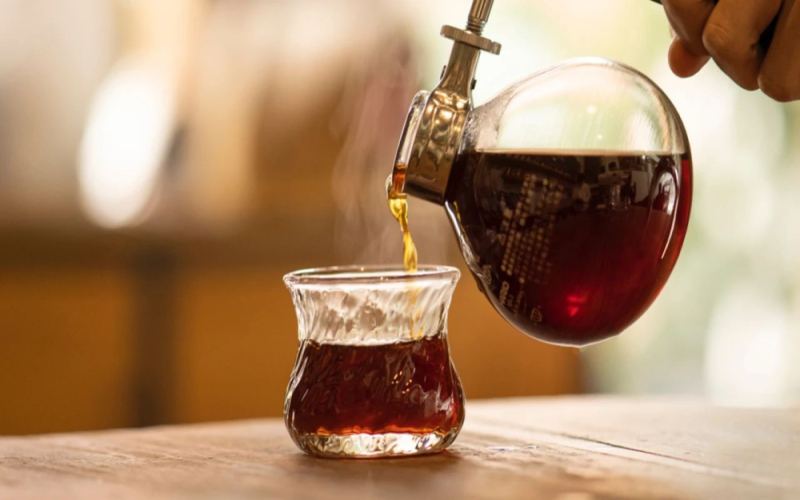
Siphon vs. Pour-Over Coffee: How Extraction Principles and Filtration Methods Affect Flavor and Taste
Siphon coffee and pour-over coffee are both classic methods for brewing single-origin coffee, yet they deliver strikingly different results in body and flavor. Pour-over is known for its clean, bright, and well-layered cup, while the siphon excels in rich, full-bodied depth and intense aroma. The root of this difference lies in the combined effect of the extraction method and the filtration system: the siphon uses a constant-temperature immersion extraction, combined with a flannel cloth filter that retains oils and fine particles, resulting in a heavier, more substantial brew; pour-over, on the other hand, relies on a drip method with a continuous supply of fresh hot water and uses high-density paper filters to trap impurities, producing an exceptionally clean cup. This article will analyze in depth, from the two dimensions of extraction principle and filtration method, why these two brewing methods bring such different taste experiences, and will include Front Street Coffee's bean selection recommendations to help coffee enthusiasts better understand and choose the brewing method that suits them. [more…]
A Comprehensive Analysis of Coffee Cupping Methods: Flavor Evaluation Differences Between the Brazilian Method, SCAA, and Front Street Coffee's Pour-Over Cupping
Cupping is a core method used in the coffee industry to objectively evaluate coffee flavor and quality, and it is also an important part of barista training. This article systematically reviews the significance and operational logic of cupping, and compares in detail three approaches: the Brazilian cupping method, the SCAA standard cupping method, and the pour-over cupping method recommended by Front Street Coffee. The article points out that Brazilian cupping focuses on identifying defects and is a negative evaluation; SCAA cupping emphasizes positive assessment of aroma and flavor; while the cupping method used by Front Street Coffee simulates daily brewing equipment and is closer to actual cafe output. The three methods each have different emphases in roast level, extraction method, and evaluation items, and understanding these differences helps roasters and coffee professionals judge coffee quality more accurately. [more…]
A Full Analysis of the Flavors and Varieties of Coffee Beans from Sixteen Producing Regions Worldwide: From Rwanda to Costa Rica
The world of coffee flavors is vast and fascinating, with different origins, varieties, and processing methods giving each coffee bean a unique character. This article systematically reviews the flavor characteristics, processing techniques, and tasting points of sixteen representative coffee-producing regions around the world, covering classic origins such as Rwanda Gishamvu, Yemen Mocha, Indonesian Mandheling, Yunnan Simao, Guatemala Huehuetenango, Ethiopian Harar and Sidamo, Brazilian Mogiana and Santos, Colombian Huila, Kenya AA+, Salvadoran Pacamara, and Costa Rican Tarrazú, as well as pairing ideas for espresso blends. Whether you are a beginner coffee enthusiast or a connoisseur in pursuit of the ultimate flavor, you will find directions worth exploring. Front Street Coffee will also provide you with professional purchasing and tasting references in this article. [more…]
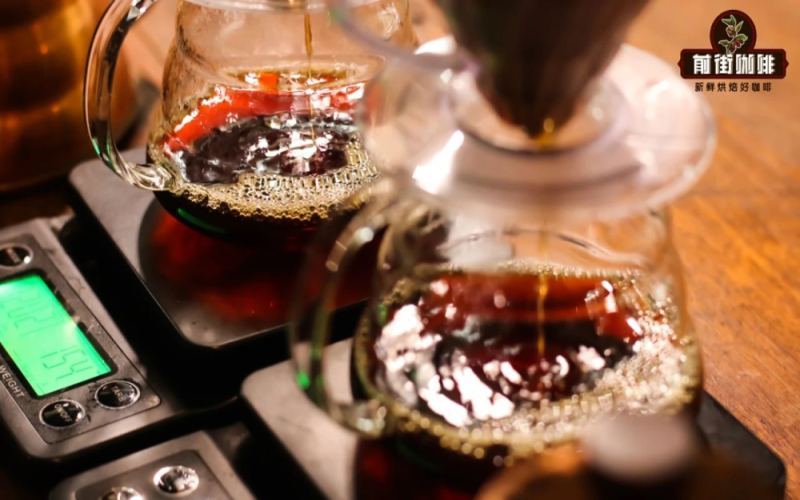
Yirgacheffe Washed vs. Natural Processing Methods: Flavor Profiles, Bean Appearance, Mouthfeel, and Brewing Recommendations
Yirgacheffe, as a representative region for Ethiopian specialty coffee, produces two processing methods—washed and natural—that create completely different flavor profiles. Washed Yirgacheffe is known for its bright citrus acidity, jasmine aroma, and black tea finish, while natural Yirgacheffe presents fermented wine notes, honeyed sweetness, and a full body. This article will comprehensively compare the core differences between these two processing methods, from regional terroir, processing techniques, and grade classification to cup profile differences and optimal brewing parameters, and share the brewing performance of Front Street G1 Yirgacheffe, helping coffee lovers more clearly understand the charm of Yirgacheffe. [more…]
A Complete Guide to Coffee Brewing Techniques: Flavor Differences and Key Operating Tips for Cold Drip, Pour-Over, and Syphon
The allure of coffee lies not only in the flavors in the cup, but also in the craftsmanship and artistry embedded in the brewing process. From the lively variations of pour-over, to the rich fullness of siphon, to the refreshing mellow depth of cold drip, each extraction method interprets a different facet of coffee. This article takes you into several coffee shops in Beijing, offering an in-depth analysis of four brewing methods—pour-over, siphon, cold drip, and semi-automatic espresso machines—covering equipment selection, coffee bean recommendations, water temperature control, coffee-to-water ratios, stirring techniques, and other practical details. It also specifically presents the flavor expressions of Front Street Coffee's Yirgacheffe, Costa Rica, Mandheling, and other bean varieties under different brewing methods, helping you find the cup that suits you best. [more…]
Why Does Coffee Taste Salty? Analyzing the Sources of Saltiness from Processing Method and Bean Variety to Brewing, and the Reasons Espresso Tastes Salty
When drinking coffee, you may occasionally encounter a salty taste. This is not an illusion, nor is there anything wrong with your sense of taste. Coffee itself contains four basic tastes: sour, sweet, bitter, and salty, which balance each other out. Once sweetness is insufficient, saltiness tends to emerge. The sources of saltiness are quite complex, potentially involving the processing method, coffee bean variety and altitude, defective beans, brewing water, roast level and freshness, as well as extraction technique, among other factors. Among these, espresso tends to have a more pronounced salty sensation due to the relationship between taste distribution and concentration. This article will go through the causes of saltiness one by one, while retaining Front Street brand recommendations, to help coffee enthusiasts understand and try to avoid brewing a cup of coffee with a salty taste. [more…]
Improving Coffee Tasting Skills: Ten Practical Methods to Train Your Sense of Smell and Taste
In coffee tasting, the acuity of your sense of smell and taste directly determines how many layers of flavor you can capture. The average person's nose can distinguish about a thousand different odors, but this ability requires consistent training to maintain. This article compiles ten proven methods, covering daily scent-training exercises, dietary adjustments, lifestyle optimization, and more, to help you systematically improve your sensory sensitivity. Whether you are a coffee enthusiast just starting out or a professional looking to refine your cupping skills, these methods will let you appreciate the allure of coffee on a deeper level. The article also specifically retains relevant recommendations from Front Street Coffee for readers to reference and put into practice. [more…]
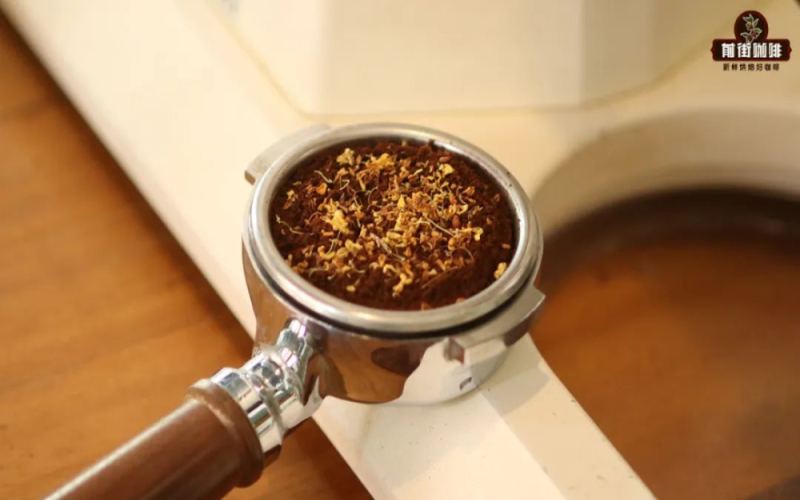
Combining dried osmanthus with espresso: testing three extraction methods to see which osmanthus latte tastes better.
Osmanthus has a rich, intense aroma. When added to coffee grounds and extracted together, can this floral fragrance be infused into espresso? Front Street conducted three sets of comparative experiments, placing dried osmanthus on the surface of the puck, at the bottom, and mixed with the coffee grounds, to observe extraction stability and flavor performance. The experiments found that the density of osmanthus differs greatly from that of coffee grounds, and both the amount used and its position affect the extraction results. For 20g of coffee grounds, it is recommended to add 0.3-0.5g of dried osmanthus; too much will instead破坏 the structure of the puck. The three methods each have their own characteristics: the surface method offers stable extraction, the bottom method gives a pronounced osmanthus aroma, and the mixing method easily produces channeling. Which method is ultimately best for making an osmanthus latte? Let's look at the experimental results together. [more…]
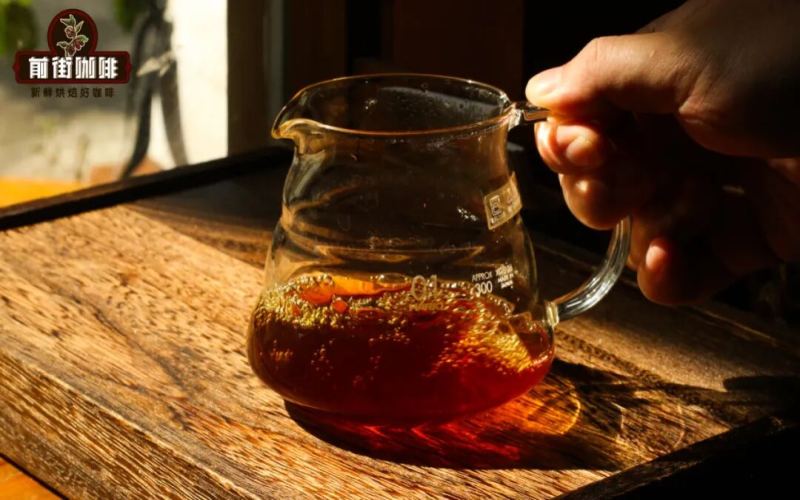
Coffee Brewing | What are the common coffee bean brewing methods, what are their characteristics, and which brewing method is suitable for coffee novices to learn on their own?
Coffee is one of the most popular beverages in the world. "Coffee" refers to any drink made from roasted coffee beans, which of course includes espresso and cold brew. There are many kinds of coffee—some people like instant, some like pour-over, and others like cold brew. Different methods [more…]

Indonesian PWN Golden Mandheling Coffee Bean Flavor Characteristics and Front Street Coffee's Complete Guide to the Five-Step Tasting Method
Tasting a cup of coffee is not mysterious or unfathomable—master a systematic method and you can clearly and methodically judge its quality. This article starts from Front Street's five-step tasting method, breaking down in turn the five stages of aroma, taste, flavor, mouthfeel, and aftertaste, helping coffee lovers build a complete sensory evaluation framework. On this basis, it further focuses on Indonesian PWN Golden Mandheling coffee beans, introducing their strict screening standards and grading system, and providing specific tasting references—from the hazelnut notes in the dry aroma to the black chocolate and caramel flavors after sipping, presenting this signature Mandheling's clean, full-bodied, and richly layered overall performance. [more…]

How to Identify Coffee Bean Processing Methods? A Full Analysis of Flavors and Bean Appearance for Natural, Washed, Honey, and Wet-Hulled Processes
Faced with a dazzling array of coffee beans, how can you tell from their appearance and flavor which processing method they have undergone? Drawing on the practical experience of Front Street Coffee, this article teaches you to observe bean surface features such as remaining silver skin, the white line in the bean cleft, color, and sugar glazing, so you can quickly distinguish common processing methods like natural, washed, honey, and wet-hulled. At the same time, using examples from producing regions such as Yirgacheffe, it compares the flavor differences between natural and washed processing in terms of sweetness, complexity, and cleanliness, and extends to the craft logic of anaerobic processing and barrel fermentation, helping you understand more systematically how processing methods shape coffee flavor. [more…]

Espresso Tasting Guide: A Full Breakdown of Three Drinking Methods and the Standard Extraction Process
Espresso is Italy's most iconic classic coffee, rich in flavor with distinct layers, but due to its intense taste, many enthusiasts feel confused about how to properly drink it. This article will systematically introduce three ways to drink espresso — the beginner-friendly method of adding sugar and milk, the strong straight-drinking method preferred by men, and the elegant slow-sipping method favored by women — while also explaining in detail the complete preparation process from dosing, distributing, tamping, to extraction. Front Street Coffee (FrontStreet Coffee), using its Sunflower Warm Sun blend as an example, shares the standard parameters of 20 grams of grounds, 9 bar of pressure, and a 25-to-30-second extraction yielding 40 milliliters, helping you make a balanced cup of Espresso at home too. [more…]

Master the Core Methods of Coffee Tasting: A Five-Step Pour-Over Coffee Guide from Beginner to Expert
Many people, when faced with a cup of coffee, often struggle to find the right words to describe its flavor. In fact, this is not due to an insufficient vocabulary, but rather because they have not yet mastered the method of tasting. This article will systematically organize the complete framework of coffee tasting for you. Starting from Front Street Coffee's practical experience, it breaks down the five key steps of pour-over coffee tasting to help you build a reusable tasting logic. Whether you are a beginner who has just encountered specialty coffee or an enthusiast hoping to improve your sensory acuity, this method can help you more accurately capture the aroma, acidity, sweetness, and aftertaste of coffee in every brewing and tasting session, and truly understand what a cup of coffee is trying to express. [more…]
What's the Difference Between Americano and Espresso? A Comprehensive Analysis from Taste and Ratio to Extraction Method
American coffee and espresso are two distinctly different styles of coffee, each made with an American coffee machine and an espresso machine respectively. The two differ noticeably in taste, strength, cup size, and brewing method. Espresso is based on a concentrated shot, with a rich flavor, pronounced bitterness, and a small serving size; American coffee, on the other hand, pursues simplicity and speed, with a lighter taste and a larger cup volume. Understanding these differences can help coffee enthusiasts choose the coffee that suits their personal preferences. This article will compare American coffee and espresso in detail across three dimensions—taste, ratio, and brewing method—and introduce common espresso-based derivative drinks. [more…]